


 русский
 Español
 Français
Home / News / Industry News / What Are the Advantages of Water-borne Dispersants in Oil-Water Separation
Industry News

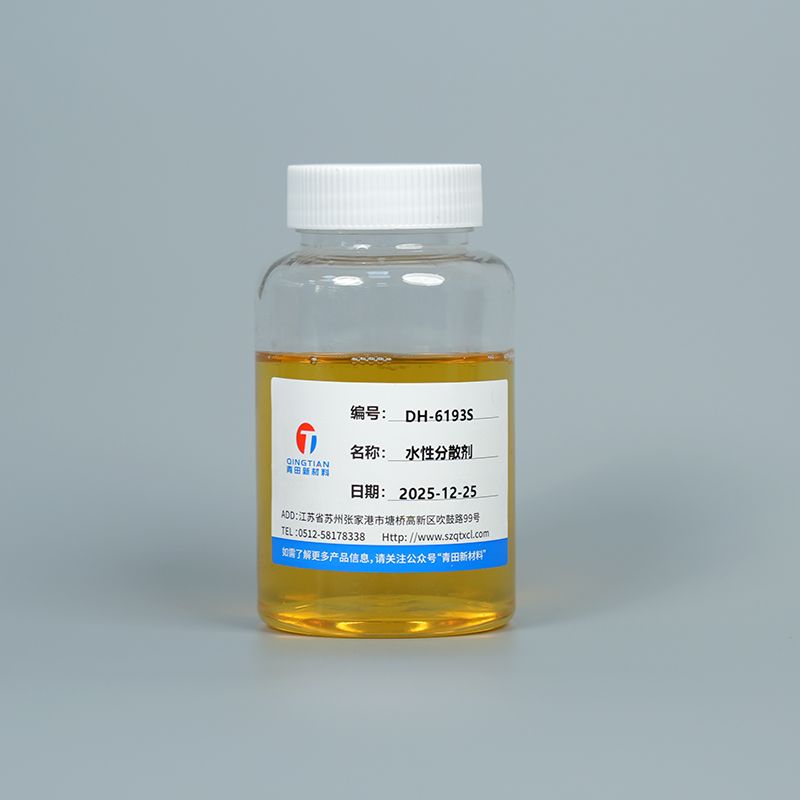
Water-borne dispersants play a critical role in oil-water separation, especially in industries like petroleum and chemicals where wastewater treatment is a major challenge. As an environmentally friendly dispersant, water-borne dispersants have gained significant attention in recent years. They offer several advantages over traditional organic solvent dispersants, such as being non-toxic, biodegradable, and environmentally sustainable.
Water-borne dispersants are dispersants where water acts as the solvent, typically consisting of surfactants, additives, and water. Their primary role in oil-water separation is to reduce the interfacial tension between oil and water, allowing oil droplets to disperse more evenly in the water, thus accelerating the separation process. In wastewater treatment, water-borne dispersants help prevent oil droplets from aggregating, leading to more efficient oil-water separation.
1. Environmental Benefits: One of the key advantages of water-borne dispersants is their environmental friendliness. With water and biodegradable surfactants as their main components, water-borne dispersants have minimal environmental impact. Compared to traditional organic solvent dispersants, they do not release toxic substances and are easily biodegradable, reducing pollution in water bodies.
2. Low Toxicity: Water-borne dispersants typically use low-toxicity components, making them less harmful to aquatic life. Their reduced environmental and health impacts align with the growing demand for green, sustainable solutions.
3. Ease of Use: Water-borne dispersants are easy to use and require no special operating conditions. Unlike solvent-based dispersants, they can function effectively at room temperature and pressure, reducing operational complexity.
When compared to traditional organic solvent dispersants, water-borne dispersants offer several notable advantages.
1. Environmental Friendliness: Traditional solvent dispersants often contain volatile organic compounds (VOCs), which contribute to air and water pollution. Water-borne dispersants, on the other hand, have a much smaller environmental footprint due to their water-based composition.
2. Biodegradability: The surfactants used in water-borne dispersants are typically biodegradable, meaning they do not persist in the environment. In contrast, some components of solvent-based dispersants may be difficult to degrade, leading to long-term environmental issues.
3. Dispersing Efficiency: Water-borne dispersants generally perform better in water-based applications, particularly in terms of reducing interfacial tension and promoting oil-water separation across a wide range of temperatures and pH levels.

 Wholesale Paint/ Coating Additives Manufacturers
Custom Industrial Chemical Solutions Suppliers
Wholesale Paint/ Coating Additives Manufacturers
Custom Industrial Chemical Solutions Suppliers